
The 2026 Menopause Masterplan: Your Complete Guide to Thriving https://99wellnesslessons.com/menopause-masterplan/ Key Takeaways Ready to make menopause your power move in 2026? Here’s your ultra-scannable cheat sheet for understanding, tracking, and navigating every stage—with science-backed strategies, digital tools, and real-world solutions you can apply now. These takeaways put the latest evidence and practical advice front and center, so you stay sharp, healthy, and in control on your own terms. Menopause is a three-stage journey—perimenopause, menopause, and postmenopause—each with distinct symptoms and health priorities starting as early as your 40s. Hormonal shifts affect more than periods, impacting everything from sleep quality and mood to heart health and bone strength—so tracking daily changes is essential. Personal symptom tracking unlocks smarter care; use apps or journals to monitor triggers, symptom clusters, and progress for truly tailored medical or lifestyle solutions. Science-backed lifestyle tweaks—150 minutes of activity, a Mediterranean https://99wellnesslessons.com/menopause-masterplan/ Menopause #menopause

Blood Sugar Monitoring: Tools and Strategies 2026 https://99wellnesslessons.com/monitoring-blood-sugar-levels/ Key Takeaways In 2026, blood sugar monitoring is more than data—it’s a control system that empowers you to understand and improve your daily life with diabetes. Whether you’re a tech-savvy pro or just starting, choosing the right tools and habits unlocks safer, smarter management and sets you up for long-term success. Consistent monitoring drives real results—using continuous glucose monitors (CGMs) for 270+ days per year reduces A1C by up to 1% and boosts time-in-range by 10–15%. Next-gen sensors are game-changers—features like needle-free, 15-day modular sensors and real-time multi-analyte tracking bring painless, high-accuracy monitoring to more people. AI-powered insights personalize decisions—modern apps and wearables blend glucose, lifestyle, and sleep data to deliver predictive alerts and actionable coaching, turning info into action instantly. Smart device integration simplifies routines—seamless sync between CGMs, smartwatches, and voice assista https://99wellnesslessons.com/monitoring-blood-sugar-levels/ Diabetes #diabetes

Top Treatment Options for Joint Pain in Recent Times https://99wellnesslessons.com/joint-pain-treatment-options/ Key Takeaways Joint pain management in 2026 is about smart choices, tech-forward strategies, and real-world results. Whether you’re tackling day-to-day stiffness or exploring breakthrough treatments, you now have more actionable options than ever—and the right info can turn chronic pain into an addressable challenge, not a career roadblock. Personalized, multi-modal plans deliver the best relief—combine medications, targeted injections, and tech-enabled movement therapies to match your specific joint pain profile for optimal, lasting results. PRP and advanced gel injections outlast steroid shots, offering 12–24 months of pain relief for knee osteoarthritis and helping many avoid or delay surgery—ask about "shock absorber" options like Arthrosamid for durable, low-downtime comfort. Genicular nerve ablation and cryoneurolysis provide surgery-free pain reset, using radiofrequency or freezing to interrupt pain signals, with up to 60% of patients reporting major knee https://99wellnesslessons.com/joint-pain-treatment-options/ Joint Pain #joint #pain

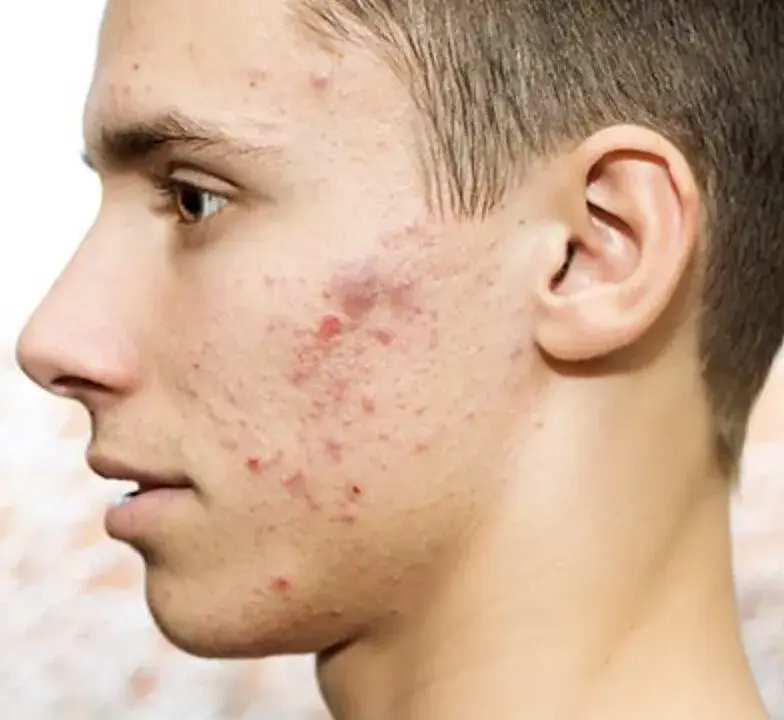
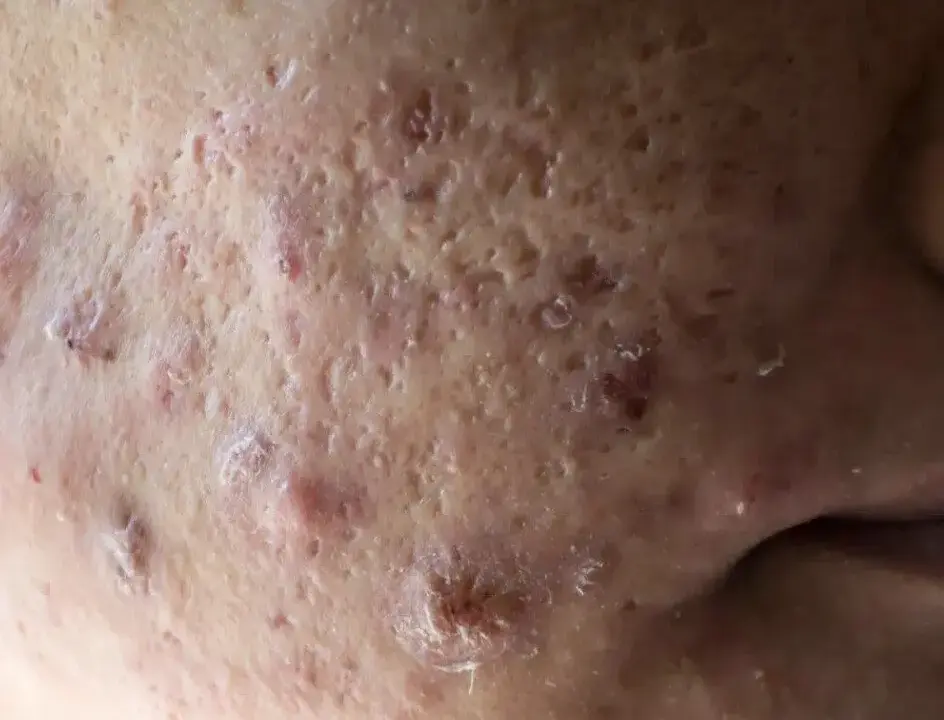
Skin Care and Diabetes: Essential Tips You Shouldn't Take For Granted https://99wellnesslessons.com/skin-care-and-diabetes/ Key Takeaways Managing diabetes means giving your skin the same attention you’d give your favorite device—targeted, proactive care that prevents breakdowns before they start. Here are the top actionable skin care strategies for staying healthy, comfortable, and ahead of complications, even on your busiest days. Consistent daily skin care slashes risk—small habits like moisturizing and quick daily checks can cut diabetes-related skin issues by up to 50%, keeping infections and dryness at bay. Dry, cracked, or itchy skin is an early warning—address these signs with a thick, fragrance-free moisturizer after bathing, and never skip vulnerable spots like feet and legs. Gentle cleansing routines protect your barrier—opt for lukewarm water and mild, fragrance-free cleansers, avoiding harsh soaps and hot showers to preserve essential skin oils. Foot checks prevent major problems—daily inspection for blisters, calluses, and color changes can help catch concerns befor https://99wellnesslessons.com/skin-care-and-diabetes/ Diabetes #diabetes

Best Joint Pain Supplements Reviewed in 2026 https://99wellnesslessons.com/joint-pain-supplements/ Key Takeaways Looking for the best joint pain supplements in 2026? Here’s a quick-hit guide with must-know insights: from what works (with real science) to how to cut through product hype and get fast, reliable relief. Scan these highlights and upgrade your joint care strategy in minutes. Multi-ingredient blends outperform singles—pairing glucosamine, chondroitin, Boswellia, and omega-3s delivers the most reliable, real-world pain relief and mobility gains. Glucosamine + chondroitin remain the gold standard—up to 90% of users experience improvement in quality studies, with standard doses (1,500 mg/1,200 mg daily) showing results in 4–12 weeks. Boswellia and curcumin target inflammation fast—look for standardized Boswellia and enhanced-absorption curcumin (500–1,500 mg) for relief in as little as one month, especially in knee osteoarthritis. Certification and label transparency are non-negotiable—ConsumerLab, NSF/ANSI 173, and USP badges ensure https://99wellnesslessons.com/joint-pain-supplements/ Joint Pain #joint #pain

Exploring the Sleep Cycle: Stages and Patterns Explained https://99wellnesslessons.com/sleep-stages-and-cycles/ Key Takeaways Mastering your sleep cycle fuels next-level energy, sharper focus, and faster recovery—think of each stage as a building block for mind and body optimization. Here are the must-know, actionable insights to turn nightly rest into your own performance advantage. Sleep cycles run like laps on a track—each complete cycle takes 90–110 minutes and you repeat this pattern 4–6 times per night for peak recovery. Early night sleep packs in deep N3 "powerhouse" sleep for physical repair, while late-night cycles pack the most REM sleep for creativity, memory, and mood—both are essential. Four stages fuel unique upgrades: N1 (entry ramp), N2 (memory buffer, 45–50% of sleep), N3 (deep recovery), and REM (dream-fueled mental reset)—skipping any stage lowers your next-day performance. Consistent routines drive reliable cycles—stick to a set bedtime/wake time, limit blue light, and keep your room cool (60–67°F) for deeper, more restorative sleep. Smar https://99wellnesslessons.com/sleep-stages-and-cycles/ Sleep #sleep
© 2025. All rights reserved by Merkaba Solutions Ltd. Advertising Disclosure | Affiliate Disclosure | Amazon Affiliate Disclosure | Antispam | Cookies Policy | General Disclaimer | Privacy Policy |